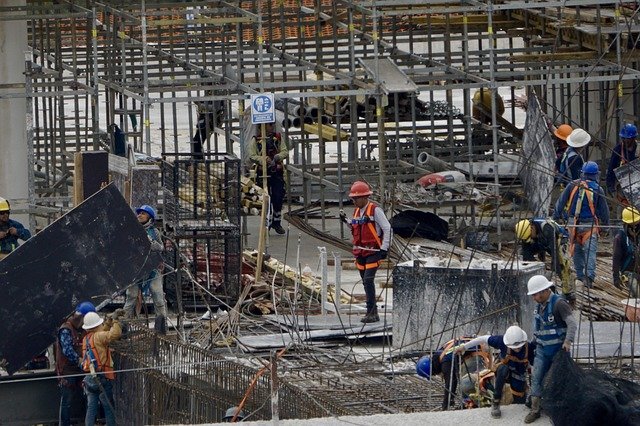
Australia’s construction industry is one of the largest employers in the country — and it continues to face significant skill shortages. For immigrants, this creates real opportunities. From general labourers and carpenters to civil engineers and project managers, construction jobs in Australia for immigrants are in high demand across multiple states.
Whether you’re a skilled tradesperson, heavy equipment operator, or qualified engineer, this guide explains:
- In-demand construction roles
- Visa pathways
- Salary expectations
- Licensing requirements
- How to apply successfully
- Expert tips to increase your chances
If you’re serious about working in Australia’s construction sector, this guide will walk you through everything step by step.
Why Australia Needs Immigrant Construction Workers
Australia is currently experiencing:
- Infrastructure expansion projects
- Housing shortages
- Major government-funded developments
- Mining and renewable energy projects
- Post-pandemic workforce shortages
According to the Australian Government’s Jobs and Skills Australia reports, construction remains one of the top industries facing skilled labour shortages. Occupations such as electricians, plumbers, carpenters, and civil engineers frequently appear on Australia’s Skilled Occupation List (SOL).
This shortage means immigrants with relevant experience have strong employment prospects.
In-Demand Construction Jobs in Australia for Immigrants
Here are some of the most sought-after roles:
1. Carpenters and Joiners
- Residential and commercial construction
- Formwork carpentry
- Salary: AUD $70,000 – $95,000 annually
2. Electricians
- Licensed electricians are in high demand
- Must meet Australian standards and certification
- Salary: AUD $80,000 – $110,000+
3. Plumbers
- Residential, commercial, and industrial plumbing
- Gas fitting specialists earn more
- Salary: AUD $75,000 – $105,000
4. Bricklayers and Stonemasons
- High demand in housing construction
- Salary: AUD $65,000 – $90,000
5. Construction Labourers
- Entry-level opportunities
- Salary: AUD $55,000 – $75,000
6. Civil Engineers
- Infrastructure and transport projects
- Salary: AUD $95,000 – $140,000
7. Project Managers
- Senior-level roles
- Salary: AUD $120,000 – $180,000+
Tip: Engineering and licensed trades often have better visa sponsorship options.
Average Salaries in the Australian Construction Industry
| Job Role | Average Annual Salary (AUD) |
|---|---|
| Construction Laborer | $60,000 |
| Carpenter | $85,000 |
| Electrician | $95,000 |
| Plumber | $90,000 |
| Civil Engineer | $120,000 |
| Site Manager | $150,000 |
Salaries vary depending on:
- State (WA and NSW often pay more)
- Experience level
- Union agreements
- Overtime and remote work allowances
For updated salary benchmarks, refer to sources like:
- Australian Bureau of Statistics (ABS)
- SEEK Salary Guide
- Fair Work Ombudsman
Best States for Construction Jobs in Australia
New South Wales (NSW)
- Sydney infrastructure projects
- High-rise residential demand
Victoria
- Melbourne housing expansion
- Transport and rail projects
Western Australia (WA)
- Mining construction
- Remote and FIFO roles
Queensland
- Olympic infrastructure (Brisbane 2032)
- Residential growth
WA and Queensland often offer higher wages for regional or remote work.
Visa Options for Immigrants in Construction
To legally work in Australia, you must secure the right visa.
1. Skilled Independent Visa (Subclass 189)
- Points-tested
- No employer sponsorship required
- Permanent residency pathway
2. Skilled Nominated Visa (Subclass 190)
- State nomination required
- Permanent residency
3. Skilled Work Regional Visa (Subclass 491)
- Regional work requirement
- Pathway to permanent residency
4. Temporary Skill Shortage Visa (Subclass 482)
- Employer-sponsored
- Common in construction trades
Check the official Australian Department of Home Affairs website for the updated Skilled Occupation List and eligibility criteria.
Licensing and Qualification Requirements
Most construction trades require licensing in Australia.
Trade Workers Must:
- Have skills assessed by a recognised authority (e.g., Trades Recognition Australia)
- Meet Australian standards
- Complete additional local certification if required
Engineers Must:
- Be assessed by Engineers Australia
- Meet accreditation standards
Working without proper licensing can result in fines or visa cancellation.
How to Apply for Construction Jobs in Australia as an Immigrant
Step 1: Check Occupation Eligibility
Verify your role is on:
- Skilled Occupation List (SOL)
- State occupation lists
Step 2: Get Skills Assessed
Submit qualifications and work experience to the relevant assessing authority.
Step 3: Apply for a visa
Choose the correct visa pathway.
Step 4: Prepare an Australian-Style Resume
Australian resumes:
- 2–3 pages
- Clear experience descriptions
- References included
- No photo required
Step 5: Apply on Job Platforms
Top job websites:
- SEEK
- Indeed Australia
- Jora
- Workforce Australia
Do Employers Sponsor Construction Workers?
Yes — especially for:
- Electricians
- Plumbers
- Carpenters
- Engineers
- Heavy diesel mechanics
Employer sponsorship is more common when:
- There is a verified skill shortage
- You have 3+ years of experience
- You meet licensing standards
Regional employers are often more willing to sponsor.
Working Conditions in Australia’s Construction Industry
Construction in Australia is:
✅ Highly regulated
✅ Safety-focused
✅ Well paid
✅ Unionised in many cases
Workers are protected under:
- Fair Work Act
- Work Health and Safety (WHS) laws
You may need:
- White Card (mandatory safety certification)
- PPE (provided by employer)
Cost of Living vs Salary: Is It Worth It?
Major cities like Sydney and Melbourne have a high cost of living. However:
- Construction wages are competitive
- Overtime boosts income
- Regional areas offer better savings potential
For example:
| City | Avg Rent (1 Bed) | Avg Construction Salary |
|---|---|---|
| Sydney | $2,500/month | $90,000+ |
| Perth | $1,900/month | $95,000+ |
| Brisbane | $2,000/month | $85,000+ |
Regional WA and QLD often offer better income-to-expense ratios.
Common Challenges Immigrants Face
- Qualification recognition delays
- Licensing exams
- Visa processing time
- Australian workplace culture adjustment
Start skills assessment before applying for jobs to increase employer confidence.
How to Increase Your Chances of Getting Hired
1. Get Your White Card Early
Mandatory for construction sites.
2. Tailor Resume to Australian Standards
3. Highlight Safety Training
Australian employers prioritise safety compliance.
4. Be Open to Regional Work
Higher sponsorship chances.
5. Network in Industry Groups
Join:
- Master Builders Australia
- LinkedIn construction groups
- Trade associations
FAQs: Construction Jobs in Australia for Immigrants
Are construction jobs in Australia in demand?
Yes. Skilled trades and engineers are consistently listed on Australia’s skilled occupation lists.
Can I get a construction job in Australia without experience?
Most skilled roles require 2–3 years of experience. Labourer roles may have fewer requirements.
Do I need English language tests?
Yes. Most skilled visas require IELTS or equivalent proof of English proficiency.
Can construction workers get permanent residency?
Yes, through Subclass 189, 190, or 491 visas, depending on eligibility.
Is employer sponsorship common?
Yes, especially in high-demand trades and regional areas.
